
Many business owners stick with providers like 4Com for years, partly because switching feels risky, partly because inertia is powerful. But over time, it’s common to find yourself locked into long contracts, facing unexpected price increases, or frustrated with service limitations. If your looking to switch from 4Com or specifically how to switch from 4Com to Plexatalk, you’ve come to the right place!
In fact, online reviews highlight recurring themes: lengthy contracts, rising monthly bills, and customer service frustrations. And this isn’t just anecdotal — a recent BBC investigation reported on small businesses tied into finance agreements for phone systems that ended up costing tens of thousands of pounds over several years, leaving some owners feeling trapped or struggling to stay afloat.
Of course, not every 4Com customer has the same experience. But if any of these pain points sound familiar, you should know there are alternatives.
Here’s the good news: you can switch — and keep your business continuity intact. You can move your number, reuse your phones (in many cases), and avoid a service blackout. Switching from 4Com to Plexatalk can be done smoothly — and often more affordably than you might expect.
Here’s a polished “Why Businesses Consider Switching” section (≈ 350 words) that draws on online feedback and keeps the tone constructive:
When you dig into reviews and feedback about 4Com from sites like Trustpilot and Google, a few recurring themes consistently come up. It’s worth emphasising: not every customer reports these issues, but they occur frequently enough to be part of the conversation.
1. Cost creep and surprise billing
Many users report that the monthly costs rise after initial contracts expire or promotional periods end. Some say the amount they end up paying is significantly higher than what they were shown during the sales pitch.
2. Long contract terms & inflexible commitments
A common complaint is being tied into lengthy 5- or 7-year contracts. Several reviews suggest that customers feel locked in, with high exit fees or limited options for renegotiation.
3. Hidden fees and unclear terms
Some business owners say their invoices include charges not clearly explained in the original agreement, or optional services that were bundled without their full awareness.
4. Service, support, or aftercare frustrations
While many reviews applaud individual engineers or installation staff for being professional and helpful, others express dissatisfaction with post-installation support, slow responses, or difficulty resolving issues.
5. Perception of mis-selling or lack of clarity
In forums and comment threads, some business owners suggest they were encouraged to sign quickly, without time to read contract fine print. There are claims that the full implications of finance and leasing agreements weren’t made clear during the sales process.
Again: these are not universal criticisms, but they do surface often enough in open feedback that any business considering 4Com (or any telecom supplier) should read carefully, ask direct questions, and scrutinise the contract.
If you’ve been weighing up whether to stick with your current provider or make the move, it helps to know exactly what you stand to gain. At Plexatalk, we’ve built our service to address the very concerns business owners often raise about traditional telecom contracts — things like long tie-ins, surprise fees, and complicated setups. Here’s what sets us apart:
| Feature | 4Com | Plexatalk |
|---|---|---|
| Contract minimum term | Minimum Term applies (length varies by agreement) | 30-day rolling |
| Auto-renewal after minimum term | Typically auto-extends in 12-month periods unless notice given | No auto-renew beyond 30-day rolling |
| Early termination charges | Charges for remainder of term if cancelled early | No early termination charges beyond 30 days’ notice |
| Annual price adjustment | Reserves right to increase annually (e.g., inflation-linked) | Transparent pricing, no CPI+ increases |
| Hardware / equipment leasing | Separate finance/lease may continue even if numbers are ported | Reuse SIP phones, buy-outright optional, adapters available |
We believe in earning your trust month after month. That’s why Plexatalk operates on flexible, rolling agreements instead of locking you into a 5- or 7-year commitment. If your needs change, you can scale up, scale down, or switch without penalty.
Our pricing is designed to be straightforward and competitive:
There are no hidden extras or surprise uplifts after the first year — what you see is what you pay.
When you need help, you don’t want to wait in endless queues or deal with scripted responses. Plexatalk’s support team is based right here in the UK, ready to answer questions quickly and clearly. Many of our customers say this is one of the biggest differences they notice compared to larger providers.
With Plexatalk, the essentials are built in — no upselling required. Every plan includes:
1) Check your current contract
2) Request number porting (we handle it)
3) Set up phones or adapters
4) Test, then go live with Plexatalk
5) Cancel your old service once the port is complete
Short version: check your terms, let us port your numbers, get your handsets/apps ready, go live on the agreed date, then close the old account. Smooth, structured, and continuity-friendly.
Switch from 4Com to Plexatalk Today
If you’re frustrated with your current phone provider, here’s the reality: you’re not stuck.
Switching to a better VoIP service is far simpler than most business owners realise — and it could save you thousands of pounds each year in reduced costs, fairer contracts, and built-in features.
With Plexatalk, the process is smooth, your business continuity is protected, and you’ll finally have a phone system that grows with you, not against you.
Yes. Plexatalk handles number porting for you, so you can keep your existing business numbers with no disruption to customers.
4Com contracts are often 5–7 years long with early exit fees. You’ll need to check your paperwork for notice periods and costs, but you are free to port your numbers to a new provider like Plexatalk at any time.
Plexatalk pricing starts from £4/month for residential plans or around £10/month per business user. This is typically far lower than the long-term leasing costs and monthly service fees many businesses report with 4Com.
No, number porting is scheduled in advance, and Plexatalk prepares your phones or apps before the switchover date. That means a seamless transition with minimal or no downtime.
Not necessarily. If your current handsets are SIP-compatible, they can often be reused. If not, Plexatalk provides cost-effective IP phones or adapters so you can move away from finance-heavy lease deals.
Online reviews often mention long contracts, rising costs, and support frustrations. Not every customer has this experience, but it’s a common theme that leads many small businesses to explore more flexible, transparent providers.
Yes. All Plexatalk customer support is based in the UK, with fast response times and a personal approach — no long call queues or scripted replies.
Disclaimer: Plexatalk has never purchased a contract or service directly from 4Com.
The information in this article is based on publicly available sources including customer reviews,
independent news reports, and 4Com’s published terms and conditions.
Reviews can sometimes be inaccurate or falsified, so we encourage all businesses to do their own research, read contracts carefully, and seek independent advice before making any decision to switch providers.

Yes, but how depends on timing.
If you already have a landline number, you can usually keep it when you switch to full fibre (FTTP). Instead of running over the old copper network, calls are now delivered using VoIP (Voice over Internet Protocol). That means your phone connects through your broadband router rather than a wall socket.
What you can’t do anymore is order a brand-new copper-based landline. Openreach has introduced a nationwide “stop-sell,” so no new copper services are being installed. And from 2027 onwards, the copper landline network will be completely switched off, with all voice services moving to VoIP.
For most homes and businesses, this is actually an opportunity: you can keep your landline number, continue using your existing handset, and benefit from the flexibility of VoIP. Whether it’s a simple home phone line or a more advanced business phone setup, VoIP provides the same reliability as a landline but with extra features and often better value.
Looking to switch to VoIP and want to know how? See our guide here.
In simple terms, the copper landline system is being phased out. That means every household and business that still relies on a landline will eventually need to move to VoIP (Voice over Internet Protocol).
If you already have a landline number, the process is straightforward: you can port your number to a VoIP service. Your calls will then run through your broadband connection rather than the copper line in the wall. In most cases, you can keep using your existing phone handset — you’ll just plug it into your router or an adapter.
If you don’t already have a landline and still want a “landline-style” service (for example, for a family home phone or a business reception line), the only option now is VoIP. New copper-based lines are no longer available, so VoIP is the standard replacement.
For home users, VoIP simply replaces the old line with minimal fuss. For businesses, it can also open the door to advanced features like call routing, voicemail-to-email, and multiple extensions — all without the costs and limitations of copper.
The key takeaway: landlines aren’t disappearing, but the technology behind them is changing. Whether at home or at work, VoIP is now the way to stay connected.
The move from copper landlines to VoIP (Voice over Internet Protocol) isn’t just about shutting down old infrastructure — it’s about creating a more reliable, flexible, and future-proof way of making calls.
VoIP runs directly over your broadband connection, which means it takes full advantage of the speed and stability of fibre. With an adapter (often supplied by your provider), you can usually keep using your existing home phone or desk handset. To you, it still feels like a “normal” landline — but under the hood, the call is transmitted digitally across the internet.
One of the biggest advantages is flexibility. Calls to your VoIP number don’t have to ring on just one phone in one location. They can be forwarded to a mobile, shared across multiple handsets, or even accessed via an app on your laptop or smartphone. For families, that means staying reachable on the home number wherever you are. For businesses, it means powerful features like call routing, voicemail-to-email, and the ability to scale up or down without new lines being installed.
Yes. You can transfer (port) your landline number to VoIP when switching to fibre. Your number stays the same, but calls run through your broadband instead of copper.
Usually not. Most handsets work with VoIP if plugged into your router or an adapter. Some people choose IP phones, but they’re optional.
VoIP relies on broadband, so your phone won’t work if the internet drops. Many providers offer call forwarding to a mobile to keep you reachable.
No. VoIP can be included as an extra with some fibre packages or purchased through a 3rd party like Plexatalk and is usually cheaper than copper lines. Business VoIP plans can add extra features at good value.
Openreach has stopped selling new copper-based services. By 2027, the copper network will be switched off, and all landlines will run over VoIP.
Yes. VoIP delivers clear, reliable calls over fibre. It also adds features like call routing, mobile apps, and voicemail-to-email, making it more flexible than copper lines.
Now you know the answer to Can You Still Have a Landline with Full Fibre? – the next step is to port your number to VoIP. That way, you keep the number everyone knows, while upgrading to a future-proof service that works over your broadband connection.
If you don’t have a landline but still want a “landline-style” service at home or in your business, you’ll need VoIP from the start. It’s the modern replacement for copper lines, offering flexibility, reliability, and often lower costs.
👉 Explore our Home VoIP and Business VoIP solutions to see which option suits you best.
And if you’d like the full step-by-step breakdown of how to switch to FTTP and keep your landline, you can see our guide here.
In short: don’t wait until the 2027 deadline. Switching to VoIP now ensures a smoother transition, keeps your number safe, and puts you ahead of the change.

Read More About Our Phone Systems for Restaurants
In the restaurant business, communication isn’t just important — it’s the lifeline of daily operations. Whether it’s taking reservations, managing takeaway orders, coordinating deliveries with drivers, or answering customer questions, every call matters. A single missed ring could mean a lost booking, a frustrated diner, or revenue that slips away to a competitor. On the other hand, smooth phone interactions can create repeat customers and strengthen loyalty.
This is where a reliable restaurant phone system comes in. Gone are the days when a single landline at the front desk was enough. Modern restaurant phone systems are built to handle the fast pace of today’s hospitality industry. They do more than connect calls — they can route inquiries to the right staff, integrate with reservation platforms, record voicemails during peak hours, and even provide call analytics to help managers see when demand is highest.
But when it comes to upgrading or investing in a system, one of the first questions owners ask is: How much do restaurant phone systems cost? The answer depends on several factors, from the size of your operation to the features you need most. In this guide, we’ll break down the costs, explore different system types, and help you choose a solution that balances budget with performance — so your restaurant can focus on what it does best: serving great food and happy customers.
When asking how much do restaurant phone systems cost, it’s important to understand that the answer varies based on several key factors. No two restaurants operate the same way, so the right system — and the investment required — will depend on your setup.
System type is one of the biggest cost drivers. A traditional landline may seem simple, but it lacks flexibility and often comes with higher long-term expenses. In contrast, VoIP and cloud-based phone systems are usually more affordable, offering lower calling rates, easier scalability, and features that landlines can’t match — making them the preferred choice for many restaurants.
The number of users or extensions also plays a major role. A small, independent café might only need one or two lines, while a multi-location chain could require call routing, centralized management, and dozens of extensions. The larger the network, the higher the cost.
Next, think about the features you need. Basic systems cover incoming and outgoing calls, but many restaurants now rely on advanced tools like reservation management, voicemail-to-email, call recording for disputes or missed orders, and call forwarding to staff mobiles during busy hours. Each additional feature can impact monthly fees.
Finally, contracts and support should be factored in. Some providers charge upfront setup costs, while others use subscription pricing. Ongoing support and maintenance may be included or billed separately, so it’s important to compare packages carefully.
Once you understand the factors that influence costs, the next step is looking at what restaurants typically pay for different types of systems.
Traditional landline systems often come with high upfront expenses. Hardware installation, wiring, and equipment can easily run into the thousands. On top of that, monthly service fees don’t include many of the features modern restaurants need, such as voicemail-to-email or call routing. For many owners, this makes landlines less cost-effective in the long run.
Cloud and VoIP phone systems, on the other hand, use a subscription model. Instead of heavy setup costs, you pay a predictable monthly fee per user. Most providers charge between £15–£30 per user, per month, making it easier for restaurants to budget. VoIP also eliminates many of the hidden costs of landlines, such as maintenance and upgrades.
To put this into perspective, let’s look at an example. A busy restaurant with three staff members handling calls could pay around £45–£90 each month with a standard VoIP provider. With Plexatalk, however, that same setup would cost just £10 per user per month, meaning only £30 total — a significant saving compared to both traditional systems and other cloud providers.
This is why many restaurant owners are moving away from outdated landlines and adopting VoIP solutions that scale with their business and keep costs predictable.
When researching how much restaurant phone systems cost, it’s easy to focus on the headline monthly fee and overlook the extras that can quickly add up. Many restaurants are caught off guard by these hidden expenses, which can make an otherwise affordable system much more costly over time.
One common issue is international calls or out-of-bundle minutes. While most VoIP plans include unlimited local and national calls, charges for overseas calls or going over your allowance can be surprisingly high. If your restaurant often deals with international suppliers or customers, this is something to check.
Another hidden cost comes from paid add-ons. Features such as reservation system integrations, call analytics, or SMS confirmations may not be included in the base package. These extras can be incredibly useful but also push up monthly costs.
Don’t forget about hardware either. While VoIP systems can work on existing smartphones or computers, many restaurants still prefer desk phones or cordless handsets at the front of house. These devices often need to be purchased separately, adding to the initial spend.
Finally, be aware of contracts and exit fees. Some providers lock restaurants into long-term agreements with steep penalties for leaving early. Flexibility matters, especially in a fast-changing industry. Choosing a provider with transparent pricing and no hidden fees helps ensure your phone system stays an asset rather than a financial burden.
When weighing up how much restaurant phone systems cost, it’s tempting to choose the cheapest option on the market. After all, margins in hospitality can be tight, and cutting expenses feels like the sensible move. But in reality, going for the lowest upfront price can cost a restaurant far more in the long run.
Consider the impact of missed bookings or poor call quality. A phone line that drops calls during the Friday night dinner rush doesn’t just frustrate customers — it directly translates to lost revenue. Even one or two missed tables per week can add up to hundreds, if not thousands, in lost sales over a year.
Cheaper systems also tend to lack the reliability, uptime guarantees, and responsive support that hospitality businesses rely on. When phones go down during peak service, restaurants can’t afford to wait days for a fix. A robust system with reliable support ensures staff can focus on service, not troubleshooting.
It’s also worth thinking beyond today. A system that looks “cheap” now may not scale as your business grows, meaning another round of disruption and costs down the line. Choosing a provider that balances affordability with strong performance, features, and customer service offers far better long-term value.
In short: the right restaurant phone system isn’t necessarily the cheapest — it’s the one that prevents lost revenue and keeps operations running smoothly.
By now, it’s clear that the real question isn’t just how much do restaurant phone systems cost, but what kind of value you get for the price. The best providers make costs easy to understand and ensure restaurants aren’t hit with surprise fees or complicated contracts. So, what does a fair and transparent plan actually look like?
First, there should be no setup fees. Restaurants shouldn’t have to pay hundreds just to get started, especially when cloud and VoIP systems can be deployed quickly. A simple sign-up and go-live process keeps things cost-effective.
Next is clear per-user monthly pricing. Instead of hidden charges for features or usage, you should know exactly what each line will cost you every month. This makes it easier to budget, whether you’re running a single café or managing a multi-location chain.
A fair plan also includes essential restaurant-friendly features as standard. Mobile apps, for example, allow managers to answer calls when they’re offsite, while built-in call forwarding or voicemail-to-email ensures no customer query is missed during busy service. These tools should be part of the package — not expensive add-ons.
Finally, flexible contract terms matter. Restaurants often experience seasonal shifts in staffing and demand, so the ability to scale lines up or down without penalty is invaluable. A provider that offers this flexibility shows they understand the realities of hospitality.
Most providers charge between £15–£30 per user, per month. Plexatalk makes it simple: just £10 per user, per month, so a restaurant with three staff on the phones pays only £30 total. That’s predictable, transparent pricing with no hidden extras.
Every user also gets 500 outbound minutes included, keeping you connected to suppliers, delivery drivers, and customers. For restaurants, this covers the majority of daily call needs without surprise bills.
Some features come as standard, at no extra cost. Call forwarding is built in, so calls can be redirected to mobiles if front-of-house staff are busy. The system also works seamlessly with popular third-party VoIP apps like Zoiper and Grandstream, giving managers the flexibility to answer calls on their smartphones without additional software costs.
Optional extras are available if you need them. Call recording can be added for handling disputes or tracking special requests, and for restaurants running older systems, CRM integrations may require a one-off adapter fee of £50. This ensures Plexatalk can still connect smoothly with legacy reservation or delivery platforms.
Whether you operate a single outlet or manage multiple sites, Plexatalk scales with your business. With no setup fees, no lock-ins, and no hidden charges, it’s a modern, cost-effective phone solution designed with restaurants in mind.
| System Type | Upfront Costs (Hardware / Setup) | Monthly Cost (Per User / Line) | Key Features / Considerations |
|---|---|---|---|
| Traditional Landline | ~ £200–£1,000+ depending on lines, wiring, and installation (can be higher with infrastructure changes). | Line rental + call charges (often £20–£40 per line/month). | Limited flexibility; expensive to scale; fewer modern features; PSTN/ISDN phase-out increases long-term costs. |
| Typical VoIP Provider | Low to moderate: minimal if using softphones; desk phones/headsets/adapters typically £50–£300 per unit; occasional setup fees for larger installs. | £15–£30 depending on features, minutes, and add-ons. | Flexible and scalable; rich features (IVR, call routing, voicemail-to-email); many providers charge extra for add-ons. |
| Plexatalk for Restaurants | £0 if using existing SIP-compatible devices; optional desk phone bundles may require a contract; legacy CRM adapters typically £50 one-off. | £10 per user/month bundle (1 extension + 1 number + 500 outbound minutes). | Call forwarding included; works with third-party VoIP apps (e.g., Zoiper, Grandstream); call recording available as a paid add-on; transparent pricing with no hidden extras in the base bundle. |
Notes: Figures are typical UK-market ranges. Verify any current promos or contract terms. For Plexatalk, confirm add-on pricing (e.g., call recording) and any site-specific requirements before publishing.
For restaurants, the phone isn’t just a utility — it’s a revenue driver. Every call could mean a new booking, a repeat customer, or a large takeaway order. That’s why a reliable phone system should be seen as an investment, not an expense. The right setup doesn’t just keep the lines open; it directly supports customer satisfaction, loyalty, and long-term growth.
Value is the key factor here. A reliable, scalable, restaurant-focused system pays for itself many times over by reducing missed calls, preventing lost bookings, and ensuring smooth communication between front-of-house, the kitchen, and delivery teams. Cheap, bare-bones systems may save money in the short term, but if calls drop or customers can’t get through at peak times, the hidden cost to your reputation and revenue can be huge.
That’s where Plexatalk comes in. With clear, simple pricing and no nasty surprises, our system is designed specifically to meet the demands of busy hospitality businesses. For just £10 per user, per month, you get transparent costs, essential features, and the flexibility to scale as your restaurant grows. No expensive setup fees. No complicated contracts. Just an affordable, reliable solution that helps your phones work as hard as your staff.
When communication is this vital, settling for less simply isn’t an option.
Most VoIP providers charge £15–£30 per user per month. Plexatalk offers a flat £10 per user per month, including 500 outbound minutes, making it one of the most affordable options for restaurants.
Not always. VoIP systems work on existing smartphones, tablets, or computers using softphone apps. If you prefer desk or cordless phones for front-of-house, you can purchase SIP-compatible handsets — but they’re optional, not a requirement.
With Plexatalk, there are no setup fees when using existing devices. If you want bundled hardware (like a desk phone), some plans may involve a contract, but there are no hidden one-off installation costs.
Yes. VoIP systems are highly scalable. You can add new lines, numbers, or extensions in minutes — ideal for multi-site restaurants and growing chains.
Absolutely. Plexatalk works with third-party VoIP apps such as Zoiper or Grandstream, so managers can take calls wherever they are.
Traditional landlines can cost thousands upfront plus £20–£40 per line/month. Switching to VoIP often cuts monthly bills by 30–60% — and with Plexatalk’s £10 pricing, savings are even greater.
Read more about out phone systems for restaurants or get in touch today for a quote.
For many UK households, the landline is still a vital part of everyday life. Even in an age of smartphones, having a traditional home phone number provides familiarity, reliability, and in many cases, necessity. Elderly relatives often prefer calling a landline, businesses may have your number saved, and it’s often the contact point for schools, doctors, or local services. In short, the landline still holds value, even if broadband no longer feels worth the rising monthly costs.
Over the last few years, broadband prices in the UK have steadily increased, often bundled together with services people don’t want or need. Many providers push packages that tie broadband, TV, and phone into one deal, making it difficult to separate them. If you only want to keep your landline number, you may feel like you’re being forced into paying for broadband you barely use. This has left many customers asking a straightforward question: “Can I cancel broadband but still keep my landline?”
The short answer is: not in the traditional copper-wire sense. The old Public Switched Telephone Network (PSTN) is being phased out, and BT has already announced that all analogue landline services will switch to digital by 2025 (now 2027). That means the classic standalone landline is disappearing — but that doesn’t mean you have to lose your number.
Instead, the modern solution is digital telephony, often called VoIP (Voice over Internet Protocol). With VoIP, your landline number is hosted online, not tied to a physical copper line. This gives you far more flexibility: you can keep your number, use it through a simple handset adapter, or even route calls through a mobile app. Most importantly, you can cancel your broadband contract with your current provider and still retain your landline identity, usually at a much lower cost.
So while the traditional setup is changing, there are clear ways to keep your landline without being stuck in a broadband bundle.

The UK’s traditional phone system is being phased out. For decades, households and businesses have relied on the copper-based PSTN (Public Switched Telephone Network) and ISDN (Integrated Services Digital Network). But these legacy services are no longer fit for purpose, and Openreach is retiring them. The official landline switch-off date is now set for 31 January 2027, following a delay from the original 2025 deadline.
That doesn’t mean it’s business as usual until then. Since September 2023, Openreach has enforced a nationwide stop-sell on all new PSTN and ISDN services. In practice, this means customers can no longer order new analogue phone lines or traditional “landline only” packages. If you already have one, you can keep it for now, but no new connections are available.
This stop-sell has major implications. Historically, services like ADSL broadband or simple line rental were delivered over copper lines, tied directly to the PSTN. With the network being retired, providers are no longer allowed to sell these options. Instead, they must offer fibre-based services such as FTTP (Fibre to the Premises) or SoGEA (Single Order Generic Ethernet Access). These products don’t rely on a separate landline — they’re designed for an all-IP future where voice calls are delivered digitally.
For customers, this means that the traditional “landline only” option is disappearing. You can’t simply take out a new line for phone calls without broadband. Even those still on ADSL or FTTC (VDSL) will eventually be migrated, as analogue services are withdrawn exchange by exchange in the run-up to 2027.
The good news is that this doesn’t mean you have to lose your phone number. Instead, numbers can be ported to digital solutions such as VoIP (Voice over Internet Protocol). These services allow you to keep your landline identity, even as the underlying copper network is switched off.
So while the PSTN switch-off marks the end of the traditional analogue landline, modern replacements are already in place — and understanding them is key if you want to keep your number without being tied into unwanted broadband bundles.
For many households, the landline and broadband have always felt like separate services. You paid line rental for your home phone, and broadband was just an optional add-on. But in practice, the two have been tied together for years — and that’s where the problem starts if you’re hoping to cancel broadband but keep your landline.
Traditional landline services in the UK were delivered over the PSTN copper network, the same infrastructure that carried ADSL or FTTC (VDSL) broadband. Your “phone line” was the foundation, and broadband ran on top of it. That’s why line rental was bundled into every broadband package: the two services were technically inseparable.
Now that the copper network is being retired, the relationship has flipped. Instead of your phone line being the primary service, providers are building everything around broadband. Today’s fibre products such as FTTP (Fibre to the Premises) and SoGEA (Single Order Generic Ethernet Access) no longer come with a traditional analogue line at all. If you want a home phone number, it has to run digitally — usually via a VoIP service layered on top of your broadband connection.
This is why cancelling broadband almost always means losing your landline and its number. Once you tell your provider you want to stop broadband, the system automatically closes the line, and the attached landline ceases to exist. In the past, you might have been able to “unbundle” services and keep a phone-only plan. But under the stop-sell rules now in place, providers are no longer allowed to offer standalone copper-based lines.
The net effect is that landline services are now locked into the digital future. You can’t just strip away broadband and expect the phone line to stay active — the technology that supported that setup is going offline.
For customers who only want to keep their number without paying for an expensive fibre package, the answer lies in porting their landline to a dedicated VoIP service. This modern alternative lets you retain your number without being forced to pay for broadband you don’t use.
If you want to cancel broadband but still keep your landline, the first step is always the same: port your number to a VoIP service. Once your number has been moved off the copper network and into the cloud, you’re no longer tied to broadband bundles or line rental charges. From there, you can decide how you actually want to use your number. With our service, you’ve got three flexible options:
Option 1: Use It Like a Normal Landline (via app or extension)
Once your number is hosted on VoIP, you can carry on using it just like a traditional landline — only smarter. Calls can ring through to a simple desk phone, or you can pick them up on a mobile app or laptop. It feels like the landline you’ve always had, but with extra benefits such as voicemail-to-email, call history, and portability. This setup is ideal if you still want to answer calls directly but don’t want the baggage of a broadband contract.
Option 2: Forward Calls to Your Mobile
Prefer not to install an app or use extra devices? No problem. Once your landline number is on VoIP, we can set it to automatically forward all calls to your mobile. That way, friends, family, or customers can keep dialling your landline, but you’ll receive the call wherever you are. You don’t need to change your habits, and callers won’t even know the difference.
Option 3: Voicemail-to-Email Only
Sometimes, you just want to keep your landline number alive for reputation and familiarity. Maybe it’s on old paperwork, business cards, or online listings. In that case, you can set it up as a voicemail-only line, where every call goes straight to voicemail and the message is delivered instantly to your email inbox. You’ll never miss important messages, and your number remains active at a fraction of the cost of a broadband package.
No matter which option you choose, the crucial point is this: you can only keep your landline in today’s market by moving it to VoIP first. From there, you’re free to use it the way that best fits your needs.
One of the biggest frustrations for UK households is that the major broadband providers tie everything together. If you want to keep your landline, you’re often forced to keep paying for a broadband package you don’t really need — and in many cases, you’ll end up with a TV or mobile bundle thrown in as well. At Plexatalk, we do things differently.
We believe you shouldn’t have to pay for services you don’t use. That’s why our solution is simple: we separate the landline from broadband entirely. By porting your landline number to Plexatalk’s VoIP service, you can keep your number without being locked into a broadband contract.
Here’s how it works:
Whether you want to answer calls directly, forward them to your mobile, or just keep your number alive with voicemail-to-email, Plexatalk gives you the flexibility to choose. Most importantly, you’ll only pay for the service you actually need — not an expensive broadband bundle you’ll never use.
In short: if you’ve been asking “Can I cancel broadband but still keep my landline?” — Plexatalk is the answer.
If you’re ready to cut the cord on expensive broadband bundles but still want to keep your landline number, timing is everything. Cancel too soon and you could lose your number forever. Follow this step-by-step process to make sure the transition goes smoothly:
It’s tempting to call your provider straight away and cut costs, but hold off. If you cancel your broadband before your number is safely ported, the provider will usually shut down both services — broadband and landline together. Once that happens, your number may be unrecoverable.
The first real step is to begin a number porting request. Plexatalk will handle the process of moving your landline number off the old copper network and onto our digital VoIP platform. This ensures your number remains active, even after the PSTN is switched off. Porting normally takes a few working days, during which your service continues as usual.
Once the porting process is finalised, your number is now hosted by Plexatalk. At this point, you’ll be able to pick up calls using your chosen method — whether that’s our mobile app, a VoIP desk phone, or simply forwarding calls to your mobile.
Only after your number is safely ported should you contact your broadband provider to cancel your contract. At this stage, you no longer need their service to keep your landline. Your old provider will close the account, but your number will stay active through Plexatalk.
From now on, your landline number works entirely independently of broadband. You can take calls on your mobile, PC, or VoIP handset — whichever setup suits you best. And because the number is hosted digitally, you’re fully prepared for the 2027 PSTN switch-off.
By following this process, you can cancel broadband with confidence, protect your landline number, and enjoy a simpler, cheaper setup that works on your terms.
Yes. By porting your number to a VoIP service, you can keep it active without home broadband. Calls can reach you via a mobile app, desk phone, or be forwarded to your mobile.
No. VoIP works with any internet connection — mobile data, office WiFi, or even forwarding calls to your mobile. You don’t need fibre broadband at home.
Many alarms and careline systems won’t work on VoIP. Check with your provider for digital-compatible equipment or an upgrade before switching.
No. Once ported to VoIP, your number is future-proof. The PSTN switch-off won’t affect it.
Often yes, with an adapter that connects your traditional handset to VoIP. Or you can use a VoIP desk phone or mobile app instead.
VoIP relies on power and internet. During an outage, calls won’t work unless you have backup power or forwarding enabled to your mobile.
Yes. Broadband with a landline often costs £30–£50/month. VoIP plans to keep your number active typically start from £4/month.
The writing is on the wall for traditional landlines. The old copper network is being retired, and providers no longer allow you to separate your phone line from broadband. That means the familiar “landline only” package is disappearing, and by 2027, the PSTN will be switched off completely.
But losing your broadband doesn’t have to mean losing your number. The only way to cancel broadband and keep your landline is to move it to a VoIP service. Once your number is hosted digitally, you’re no longer tied to a broadband bundle or line rental fee. You can choose exactly how you want to use your number — answering calls on a mobile app, redirecting them to your mobile, or keeping a voicemail-only line for recognition and trust.
That’s exactly what Plexatalk offers. We make the process simple: we handle the porting, we set up your preferred call option, and we ensure your number is ready for the 2027 switch-off well in advance. No copper, no forced broadband, no hidden extras — just a landline that works on your terms.
So if you’ve been asking “Can I cancel broadband but still keep my landline?”, the answer is yes — with Plexatalk.
Want to cancel broadband but keep your landline? See our home pricing here and business pricing here.
Have you ever wondered how to get two landline numbers on one phone? For families, freelancers, and small businesses, having separate numbers for personal and professional calls makes life simpler and more organised. The problem is, with traditional landlines this usually meant paying for—and maintaining—a second physical line, which quickly became costly and inconvenient.
But things are changing. By 2027, the UK’s copper landline network is being switched off, meaning every household and business will need to move to digital calling. That’s where VoIP (Voice over Internet Protocol) comes in. With VoIP services like Plexatalk, you can run multiple numbers on a single handset, making call management smarter, more flexible, and far more affordable.
With the old copper landline system, the rule was simple: one line, one number. If you wanted an extra number, you had to install and pay for a completely separate line. For families and businesses alike, that meant higher costs, extra hardware, and unnecessary hassle.
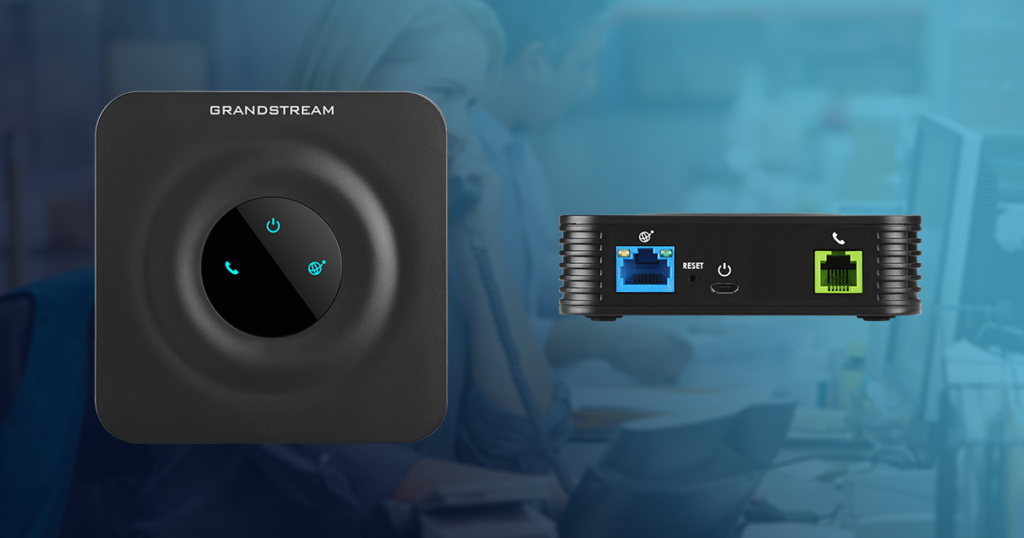
VoIP changes the game. Instead of being tied to physical copper, numbers are delivered digitally. This means you can have multiple DIDs (Direct Inward Dialling numbers) all pointing to the same phone, VoIP adapter, or even a smartphone app. In practice, it’s just like having two—or more—landline numbers ringing the same device.
So whether you need a dedicated work number alongside your personal line, or want a family number and a private one, VoIP makes it seamless and affordable.
There are plenty of reasons why having more than one landline number on the same phone just makes sense:
With traditional landlines, achieving this flexibility was either expensive or impossible. With VoIP, it’s simple—multiple numbers, one phone, no extra hassle.
The UK’s Public Switched Telephone Network (PSTN) is being permanently switched off by December 2027. That means the copper landlines we’ve relied on for decades will no longer work—every call will instead travel over the internet using digital voice, also known as VoIP.
So if you’re considering adding multiple landline numbers, it doesn’t make sense to keep paying for outdated line rental. By moving to VoIP now, you’ll not only be ready for the switch-off but also unlock a range of advantages:
VoIP isn’t just a replacement for the landline—it’s an upgrade. With providers like Plexatalk, you can set up two or more numbers on one phone quickly and cost-effectively, knowing you’re ready for the future of calling.
VoIP makes it simple to manage multiple landline numbers without the hassle or cost of extra physical lines. Here’s how it works for different users:
For home users
For business users
Getting set up with two (or more) landline numbers on one phone is easier than you might think. With VoIP, you can mix and match the setup that works best for you:
Many households and businesses use a combination—perhaps a VoIP phone in the office, an adapter for the living room handset, and an app on mobile for when you’re out. With Plexatalk, all three can work together seamlessly.
Getting started is quick and straightforward. Here’s how it works:
Step 1: Choose the right home or business package for your needs.
Step 2: Add a brand-new number or port your existing landline across to Plexatalk.
Step 3: Add any extra numbers you need—just £1 per month each.
Step 4: Configure your chosen device (VoIP phone, adapter, or app) with help from our friendly support team.
Step 5: Start using two numbers on one phone—seamlessly managing business, family, or rental calls.
With Plexatalk, what used to require multiple lines and costly hardware is now simple, flexible, and future-proof.
Yes. You can port your current landline number to Plexatalk and continue using it just as before.
Absolutely. We offer a wide range of local numbers across the UK, so you can choose one that suits you.
Yes! You’re not limited to two—add as many numbers as you need, from just £1 per month each.
Your phone or app will show which number is being called, so you’ll always know if it’s a personal, business, or rental enquiry.
Yes, but only if you switch to VoIP. With the UK landline switch-off, traditional copper lines will stop working. Plexatalk ensures your number works long after 2027.
By 2027, every UK landline will run on VoIP — so if you’re thinking about adding another number, now is the perfect time to switch. With Plexatalk, it’s simple, affordable, and future-proof.
Not sure which package is right for you? Contact us
For many SMEs, phones are the front door. Yet too often, small teams overpay for legacy lines, tolerate missed calls, or get locked into bundles that don’t fit how they actually work. With the UK’s PSTN/ISDN switch-off in 2027, every business will need to move to an IP-based solution—so picking the right platform now isn’t just a tech upgrade, it’s a continuity plan.
This guide cuts through the noise to help you find the best small business phone system UK firms can rely on. We focus on UK-specific pricing, support and regulations, not US lists with a British section bolted on. You’ll see clear comparisons of features that matter to small teams: auto attendant/IVR, call queues, call recording (including PCI-friendly workflows), desktop & mobile apps for remote workers, hardware options, and the real-world costs of porting, contracts and handsets.
We’ll also show where a VoIP phone system beats mobile-only setups or old PBXs—for reliability, flexibility and total cost of ownership. And when a vendor is a better fit for larger enterprises, we’ll say so.
Finally, we’ll explain where Plexatalk fits. We’re built for small UK businesses: quick setup, UK-based support, transparent bundles and the essentials—IVR, queues, voicemail-to-email, analytics—without enterprise bloat. Use this guide to compare options side by side, understand UK small business VoIP pricing at a glance, and choose a phone system that helps you answer faster, sound more professional and spend less.
“Best” isn’t the most features—it’s the right business phone system features at a price and reliability level that works for a small team. Here’s the scorecard we use for UK SMEs:
1) Cost clarity (total, not teaser).
Look past headline per-user rates. Add UK numbers, minutes/bundles, call recording, hardware, and porting. Check contract length and exit fees. For many firms, cloud beats on-prem once you include licences, maintenance, and engineer visits.
2) Reliability & call quality.
You need consistent uptime, strong SIP infrastructure, QoS guidance, and fallbacks (mobile apps or call forwarding) if the office internet drops. Ask how they handle 999/112 and failover on UK business phone lines.
3) Features that matter to small teams.
Core small business VoIP features: auto attendant/IVR, ring groups, queues, warm/cold transfer, voicemail-to-email, missed-call alerts, desktop & mobile apps, and basic analytics. Nice-to-haves: call recording with pause/resume, integrations, and simple admin you won’t dread.
4) UK-based support & setup help.
When you’re moving fast, support in your timezone is a lifesaver—especially for number porting and building sensible call flows.
5) Scalability without complexity.
Add users/numbers in minutes, not tickets. Mix devices (desk phones, DECT, softphones) and keep management centralised. Seasonal scaling shouldn’t mean renegotiating contracts.
6) Security & compliance fit.
GDPR-aware data handling, clear retention policies, and PCI-friendly call recording tools (pause/redact) so you’re not storing card data. Admin roles and audit trails help you stay tidy.
Why Plexatalk surfaces early in our rankings
Many vendors are enterprise-first with SME plans tacked on. Plexatalk is built for SMEs first: UK-centric pricing, fast go-live, and the essentials—IVR, queues, recording options, analytics—without enterprise bloat or opaque bundles. If you want a business phone system that balances cost, reliability and the everyday features your team actually uses, Plexatalk is designed to hit that sweet spot while keeping your VoIP phone system simple to run.
The UK is retiring the old copper PSTN and ISDN networks—the fixed lines traditional phone services run on. By the PSTN switch off 2027, every business line must move to an internet-based alternative. In practice, that means your current analogue/ISDN numbers need a BT landline replacement using IP (often called “Digital Voice”) or a cloud VoIP service.
Read our blog post about the switch off or read more from Ofcom on the switch-off here.
If you’re preparing for the ISDN switch off UK and want a straightforward path to VoIP, Plexatalk helps you port numbers, configure call flows, and go live quickly—without enterprise bloat.
Below are the best-known VoIP providers UK teams compare, plus a couple of UK-first options. We’ve kept this very “GetVoIP/PCMag” in style so Google recognises the intent (comparison list), but each entry calls out UK-specific facts: pricing visibility, contracts, and real features small teams use. If you want cheap business phone system UK choices, scan the pricing notes and the “UK relevance” lines.
Features (highlights)
Features (highlights)
Features (highlights)
Features (highlights)
Features (highlights)
Features (highlights)
Features (highlights)
Features (highlights)
Features (highlights)
Features (highlights)
Standout for small teams:
If you want the best UK VoIP for small business without enterprise bloat, Plexatalk pairs the essentials (IVR, queues, recording, analytics) with simple pricing and UK support.
Compare plans & features
Tip: sanity-check your real business phone system cost UK by totalling: users, numbers, minutes/bundles, any call recording/analytics add-ons, devices, porting, and the contract term (plus any annual uplifts). This narrows the field quickly and avoids surprises after you sign.
Use this to compare business phone systems UK buyers shortlist most often. Focused on the three things SMEs care about: features, pricing clarity, and UK support.
| Provider | Features (highlights) | Pricing snapshot (ex-VAT) | UK support / hosting |
|---|---|---|---|
| Plexatalk SME-first |
|
B500 £10/mo (1 extension + 1 number + 500 UK mins). B500+ adds Yealink T31P. Custom bundles (1k–5k mins) & SIP trunks. Typical ports 7–14 days. |
UK-based support, UK-hosted infrastructure, GDPR-aligned. 999/112 supported with best-practice guidance. |
| RingCentral (RingEX) |
|
Public tiers; many UK deals quote-based. Add-ons may apply for analytics/compliance. |
UK presence, local numbers, global/UK support routes. |
| 8×8 |
|
Tiered plans; UK pricing commonly via sales. Value depends on bundle and term. |
Established UK coverage and billing in £. |
| Zoom Phone |
|
Metered & bundled options; currency varies. UK numbers and rate tables available. |
UK numbers; UK/EU support coverage. |
| BT Cloud Voice |
|
Licence-based pricing; connection/device fees can apply. Contracts and annual uplifts are common. |
BT network, UK billing, straightforward BT landline replacement path. |
| bOnline |
|
Transparent low per-user pricing. Tiers for unlimited UK calls and hardware bundles. |
UK-focused product with £ pricing and support. |
| Vonage Business Communications |
|
UK plan tiers (Express/Core/Pro/Max). Many extras via add-ons; quotes typical. |
Dedicated UK plans, numbers, and billing. |
| Dialpad |
|
Public entry price often shown in USD. UK billing via sales/partners. |
UK numbers; partner-led UK deployments. |
| Gradwell (UK) |
|
Concurrent-call model + published call tariffs. Quotes for tailored setups. |
UK provider with strong channel and support. |
| Andrews & Arnold (A&A) |
|
PAYG per-minute + number rental. Highly transparent tariffs. |
UK engineering-led support and documentation. |
If you want a UK small business phone system provider that prioritises small-team realities, Plexatalk is deliberately SME-first:
Bottom line: If your priority is a clean setup, predictable costs, and responsive UK support, Plexatalk is purpose-built for SMEs. If you need sprawling UC/CCaaS or heavy custom integrations, one of the larger suites might fit—but for most small teams wanting reliable calling, clear pricing and fast go-live, Plexatalk is the pragmatic choice.
When you compare business phone system cost UK wide, most mainstream providers land around £15–£30 per user/month (ex-VAT) for a core VoIP seat with the usual features (apps, auto attendant/IVR, ring groups, basic analytics). That headline often excludes a few things that move the total up or down:
Plexatalk keeps small business phone system pricing simple. Our B500 plan is £10/month per extension and already includes 1 number + 500 UK minutes—ideal for small teams that want predictable VoIP phone system prices UK without combing through add-on grids. Prefer hardware included? B500+ adds a Yealink T31P desk phone on a straightforward minimum term. Growing fast or making lots of outbound calls? Choose Custom bundles (1,000–5,000 minutes) or SIP trunks so you’re not penalised for success.
What you won’t need to guess: IVR/auto attendant, ring groups/queues, voicemail-to-email, missed-call alerts, and desktop/mobile apps are standard—so your baseline is actually usable from day one. Typical number porting completes in 7–14 days, and you can go live immediately on new or temporary numbers while you wait.
If you’re budgeting, plan around £10–£30 per user for most providers—and then check the fine print on minutes, recording, devices and contract terms. With Plexatalk, the headline is the reality: a clear entry price, SME-first features included, and flexible bundles when you need more.
Most business phone system cost UK ranges are £10–£30 per user/month, plus devices and any add-ons like recording. For simple, predictable VoIP phone system prices UK, Plexatalk’s B500 is £10/extension including 1 number + 500 UK minutes, with larger bundles or SIP trunks as you grow.
Yes, via number porting (UK business). Share a recent bill and letter of authority; typical ports complete in 7–14 days. You can go live immediately on new or temporary numbers, and we schedule cutover in business hours to avoid downtime.
Yes. With ~100 kbps per concurrent call, router QoS, and simple failover to mobiles, you’ll get reliable VoIP UK performance. UK-hosted infrastructure and accurate 999/112 details keep service dependable; optional 4G/5G backup protects critical lines.
Absolutely. VoIP for remote workers UK lets staff use desktop and mobile apps or SIP handsets at home under one business number. IVR, ring groups and queues route calls correctly; voicemail-to-email ensures follow-up. Plexatalk is remote-ready with quick onboarding and central admin.
You don’t need to overpay or shoehorn your workflows into a US enterprise suite to get the best small business phone system UK teams actually use. Modern UK business phone systems give you the essentials—IVR, queues, call recording options, desktop and mobile apps—without the bloat, long contracts, or opaque add-ons. The key is UK-focused pricing, reliable hosting, and support that understands porting, 999/112 best practice, and the PSTN/ISDN switch-off timeline.
That’s exactly where Plexatalk small business shines. We’re built for SMEs first: clear bundles, quick go-live, UK-based support, and features your team will use from day one. If you’re comparing options, start with what matters—total monthly cost, minutes, devices, and the features you’ll rely on—and you’ll see how straightforward Plexatalk is.
Ready to see the fit for your team?
Compare plans, features and pricing here.
Get the clarity and control you need today, and a future-proof platform for tomorrow.
More and more people across the UK are asking the same question: “Do I really still need a landline?” With rising costs, the push for flexibility, and the upcoming PSTN switch-off in 2027, the answer for many is no.
Traditional landlines tie you to one spot, often with higher call charges and outdated hardware. In today’s world—where customers expect quick responses and businesses need to stay mobile—being stuck to a desk phone just doesn’t cut it anymore.
The good news? You don’t have to lose your number when you ditch your landline. Thanks to VoIP and cloud phone systems, you can take calls directly on your mobile, tablet, or laptop—wherever you are. That means lower costs, more flexibility, and a setup that’s ready for the future.
In this guide, we’ll show you how to move away from your landline, keep your existing number, and enjoy the freedom of taking calls on the go.
Yes, you don’t have to lose your number when you ditch your landline. The process is called number porting, and it lets you move your existing landline number onto a VoIP (internet-based) phone system.
Once ported, your number is no longer tied to a physical landline. Instead, you can receive and make calls in two main ways:
Either way, you keep your trusted number while gaining the freedom and cost savings of a modern system.
If you’re still relying on a landline, there’s never been a better time to move on.
By making the switch now, you’ll save money, avoid the landline phase-out rush, and future-proof your communication.
Moving away from a traditional landline doesn’t mean losing out—it actually unlocks more flexibility and savings. Here are the key benefits:
In short, ditching the landline doesn’t just future-proof your setup—it makes day-to-day life easier and more affordable.
Making the move from landline to VoIP is easier than most people think. Here’s how it works:
That’s it. No complex wiring, no downtime—just a quick, modern upgrade that saves money and makes communication more flexible.
Yes. Through a process called number porting, your landline number can be moved onto a VoIP system. That means callers still dial your usual number, but the call comes through on your mobile, tablet, or laptop.
No, quite the opposite. Most VoIP plans cost less than traditional landlines and offer cheaper call rates. You’ll also save by not paying for a landline package you no longer use.
In 2027, all PSTN and ISDN landlines will be shut off in the UK. If you’re still on a traditional line by then, you’ll need to switch to VoIP or digital calling. Making the move early means lower costs and less hassle.
Yes. With a simple VoIP adapter, you can plug in your existing handset and keep using it just like before—only now it runs over the internet.
Not necessarily. A stable broadband or fibre connection is usually enough. For most households and small businesses, standard fibre or FTTP broadband works perfectly with VoIP.
Yes. With a VoIP app (like Zoiper), you can make outgoing calls that display your landline number—even though you’re dialling from your mobile. That’s especially useful for small businesses that want to appear professional.
In many cases, you can be up and running within a few days. Number porting may take a little longer, but your new service can usually be set up in parallel to avoid downtime.
No. VoIP works just as well for home users who want to cut bills and take calls more flexibly. Families, remote workers, and small businesses all benefit from ditching the landline.
Switching from a landline to VoIP is quick, simple, and cost-effective—and you can keep your existing number. Whether you’re looking to cut household bills or upgrade your business communications, Plexatalk makes it easy. See home pricing here. See business pricing here.

Every missed call is a missed opportunity. In a busy restaurant, café, pub, or takeaway, unanswered calls don’t just mean lost bookings, they can mean lost regulars. That’s why finding out which are the best phone systems for restaurants is more important than ever.
Traditional landlines simply can’t keep up with the way modern hospitality works. Customers expect quick answers, seamless takeaway orders, and reliable service. Whether you run a bustling pub, a cosy café, or a fast-paced takeaway, having the right restaurant phone system can transform how you handle reservations, manage calls during peak hours, and deliver a better customer experience.
In this guide, we’ll cover everything you need to know: the different options available (from VoIP for restaurants to cloud phone systems), key features to look for, the typical restaurant phone system cost, and how to choose the right provider. Most importantly, we’ll show why Plexatalk is trusted across the UK hospitality industry to deliver flexible, affordable, and reliable communication solutions.
If you’re ready to stop missing calls and start maximising bookings, read on—or head straight to our pricing page to see how simple upgrading can be.
In hospitality, every call counts. A single missed reservation could mean an empty table during peak hours, while unanswered takeaway orders can quickly add up to lost revenue. The right restaurant phone system ensures your team never misses an opportunity to serve a customer.
Unlike offices, restaurants, cafés, and pubs deal with unique challenges—busy kitchens, noisy bars, and staff constantly on the move. That’s why a standard phone line often isn’t enough. You need a system that’s built for flexibility, reliability, and clear communication.
A local landline presence is still important for customer trust—many diners prefer to call a local number when booking a table or ordering food. But behind the scenes, today’s VoIP for restaurants and cloud phone systems give you the ability to route calls, manage multiple lines, and handle peak-time demand without chaos.
The result? Fewer missed calls, smoother service, and happier customers—whether you’re running a cosy café, a bustling pub, or a high-volume takeaway.
When it comes to choosing the best phone system for restaurants, there are two main options: traditional landlines and modern VoIP/cloud-based systems.
For decades, restaurants relied on PSTN and ISDN landlines. But while they served their purpose, these systems now feel outdated: limited features, higher call costs, and no flexibility. Worse still, with the nationwide PSTN/ISDN switch-off in 2027, restaurants that still depend on them will soon be forced to make a change.
In other words—landlines are not future-proof.
Modern hospitality demands modern solutions. VoIP for restaurants (Voice over Internet Protocol) is internet-based, cost-effective, and flexible enough to adapt as your business grows. Whether you run a café, takeaway, pub, or fine dining restaurant, VoIP is designed to keep you connected.
With a cloud phone system for restaurants, you can:
It’s cheaper, easier to manage, and far more reliable than traditional lines. Put simply, cloud VoIP is the best phone system for restaurants. full stop.
And with Plexatalk, switching is simple. We specialise in restaurant VoIP solutions across the UK, helping businesses like yours cut costs, stay flexible, and never miss a call.
Not all phone systems are built with hospitality in mind. When choosing the best phone systems for restaurants, it’s worth focusing on the features that will genuinely make day-to-day operations easier:
With Plexatalk, all these features come as standard. Our restaurant VoIP systems are designed specifically for UK hospitality businesses—helping you stay connected, reduce costs, and deliver the smooth service your customers expect.
When weighing up the restaurant phone system cost, it’s important to look beyond just the monthly bill. The type of system you choose—landline vs. VoIP—will have a big impact on both upfront and ongoing expenses.
With the PSTN/ISDN switch-off approaching in 2027, sticking with landlines will eventually mean paying again to upgrade.
Because VoIP for restaurants runs over the internet, you’re not tied to a single handset or location—you can take calls from a desk phone, cordless handset, tablet, or even a mobile app.
While some businesses still prefer desk phones or cordless handsets, many restaurants save money by using softphones (apps on mobiles, tablets, or desktops). This reduces upfront costs while keeping staff connected wherever they are.
👉 For most hospitality businesses, VoIP isn’t just the smarter choice—it’s also the most cost-effective. With Plexatalk, you’ll know exactly what you’re paying each month, with no hidden extras. View our pricing to see how affordable upgrading can be.
Every hospitality business is different, but the right restaurant phone system delivers results across pubs, cafés, and takeaways alike. Here are a few examples of how Plexatalk helps UK businesses stay connected and save money:
From reducing missed bookings to cutting costs, Plexatalk provides the best phone system for restaurants across the UK—flexible, affordable, and built for hospitality.
For restaurants, cafés, pubs, and takeaways, the verdict is clear:
If you’re looking for the best phone system for restaurants in 2025, VoIP is the answer. With smart tools like call queues, voicemail-to-email, and mobile apps, you’ll never miss a booking or takeaway order again.
Plexatalk makes switching simple. We provide reliable, affordable VoIP systems across the UK, helping hospitality businesses stay connected, cut costs, and deliver better service.
Ready to upgrade? View our pricing today or get in touch to see how Plexatalk can transform your restaurant’s phone system.
Not all VoIP providers are the same. The right partner will understand the unique challenges of hospitality and offer solutions tailored to your type of business—whether you’re running a busy takeaway, a lively pub, or a cosy café.
Here’s what to look for when choosing a phone system in the UK for your catering business:
That’s exactly where Plexatalk comes in. We specialise in cloud phone systems for restaurants, designed to cut costs, boost flexibility, and make communication effortless. With us, you get clear pricing, UK-based support, and a setup built around the way your hospitality business actually works.
Ready to see how simple upgrading can be? Check our pricing
The clock is ticking. By 2027, all PSTN and ISDN landlines in the UK will be switched off, meaning restaurants, cafés, pubs, and takeaways still relying on traditional phone systems will need to migrate.
For hospitality businesses, this isn’t just a technical change—it’s a chance to future-proof communication. Waiting until the last minute could mean higher costs, rushed installations, and unnecessary disruption.
Switching early to a cloud phone system for restaurants gives you lower call costs, modern features, and the peace of mind that your business is ready for the future.
As the UK upgrades its digital infrastructure, FTTP (Fibre to the Premises) broadband is rolling out nationwide. Unlike traditional connections, many FTTP packages are now broadband-only—meaning no bundled landline option.
For restaurants, cafés, pubs, and takeaways, this shift makes VoIP phone systems the natural choice. With VoIP, you can:
In short, FTTP and VoIP go hand-in-hand. Upgrading your broadband doesn’t have to mean losing your number or disrupting your service—it’s actually the perfect time to modernise.
Learn more in our full guide to keeping your landline while switching to FTTP
When choosing the best phone system for restaurants, hardware plays an important role. The right handsets make all the difference to how smoothly your team can handle calls.
In practice, many restaurants use a mix of both—desk phones at reception for reservations, and DECT handsets for mobile staff who need to stay connected while working across different areas.
For a deeper comparison, check out our full guide on DECT vs Desk Phones.
Yes. With Plexatalk’s VoIP for restaurants, you can usually transfer (or “port”) your existing landline number. That way, your customers keep calling the number they already know and trust.
Most restaurants, cafés, and pubs can be set up in just a few days. Because our cloud phone system for restaurants runs over the internet, there’s no complicated wiring or downtime.
Absolutely. A café phone system doesn’t need to be complicated or expensive. With Plexatalk, even single-site businesses benefit from features like call forwarding, voicemail-to-email, and mobile apps.
That’s where cloud really shines. Our multi-branch restaurant phone systems connect every site under one platform. Staff can transfer calls between branches, share minutes, and provide a seamless experience for customers.
For estate agents, communication isn’t just important, it’s everything. Buyers want instant updates, sellers expect regular feedback, and landlords and tenants rely on clear, professional support. Every call could be a new instruction, a potential offer, or the key to closing a deal. That’s why the right phone system is more than just a tool; it’s the backbone of a successful agency.
Modern estate agent phone systems go far beyond a standard landline. With features like call routing, call recording, CRM integration, and mobile apps, they make sure no lead is ever missed and that your team can stay connected whether they’re in the office or out on viewings. In such a competitive industry, these advantages can mean the difference between securing a client or losing them to a rival.
But let’s address the big question every agency has: how much do estate agent phone systems cost? Pricing can vary widely depending on the number of users, the features you need, and whether you choose a cloud-based system or on-premise setup. In this guide, we’ll break down the real costs, what affects them, and how to get the best value for your business.

When it comes to calculating the cost of an estate agent phone system, there’s no one-size-fits-all price. Several factors determine whether you’re paying a modest monthly fee or investing more upfront for a tailored setup.
1. System Type – Traditional landlines usually involve higher setup and maintenance costs, while VoIP and cloud-based systems are more affordable, flexible, and scalable. Most modern estate agencies choose VoIP because it offers advanced features at a lower ongoing cost.
2. Number of Users – A solo agent may only need one handset or softphone, whereas a multi-branch agency with dozens of negotiators will require multiple licenses and extensions. Most providers charge on a per-user, per-month basis, so costs scale with your team.
3. Features Required – Basic call handling is cheap, but tools like call forwarding, call recording, CRM integration, and voicemail-to-email can raise the price. The upside is that these features often pay for themselves through improved efficiency and client service.
4. Contract & Support – Some providers offer upfront purchase options, while others use a monthly subscription model. You’ll also need to factor in setup fees, installation, and ongoing support costs.
Understanding these variables is the first step to finding the right system at the right price.
Estate agents weighing up phone systems quickly notice a big difference between traditional setups and modern VoIP or cloud-based solutions.
Traditional Phone Systems – These usually involve a significant upfront investment. A small office might spend £1,000–£5,000+ on hardware, installation, and line rental, with additional costs for maintenance and upgrades over time. For many estate agents, this upfront spend is hard to justify, especially when scaling or adding new branches.
Cloud & VoIP Phone Systems – By contrast, cloud systems operate on a predictable subscription model. Most providers charge between £15 and £30 per user, per month, which includes call management, voicemail, and access to mobile or desktop apps. This model makes budgeting simpler and removes the need for costly hardware.
Example in Practice – A five-agent branch using a VoIP system could expect to pay around £75 to £150 per month, not including optional extras like call recording or CRM integration. Even with add-ons, this usually works out far cheaper than running a legacy landline setup.
For estate agents, this shift means lower costs, more flexibility, and fewer surprises on the bill — all while getting more powerful communication tools.
When comparing estate agent phone system prices, it’s easy to focus only on the headline per-user rate. But many agencies find their actual bill is higher than expected because of overlooked extras.
International Calls & Out-of-Bundle Charges – While most VoIP packages include unlimited UK calls, international calls or high-volume outbound campaigns can add up quickly. It’s worth checking how rates compare with your typical call patterns.
Paid Add-Ons – Features like call recording, advanced analytics, or CRM integration are often available, but not always included in the base package. These add-ons can cost a few extra pounds per user, per month — small amounts that add up across a whole branch.
Hardware Costs – Cloud systems work well with softphones and mobile apps, but many agents still prefer desk phones or headsets for day-to-day use. Quality hardware such as Yealink or Polycom devices typically adds £50–£150 per handset upfront.
Contracts & Exit Fees – Some providers tie agencies into long-term contracts. Leaving early or scaling down users can trigger hefty penalties, so flexibility is key.
By accounting for these hidden costs upfront, estate agents can budget more accurately and avoid unexpected surprises on their monthly bills.
It’s tempting to focus only on the lowest monthly cost when choosing a phone system, but for estate agents, the cheapest option can often turn out to be the most expensive in the long run. Missed calls, poor call quality, or system downtime don’t just create frustration — they can cost you instructions, deals, and clients.
A “budget” system might look appealing on paper, but if it drops calls during a busy Saturday morning or fails to route buyers to the right negotiator, the lost business can far outweigh the savings. In a market where responsiveness is everything, reliability isn’t optional — it’s a revenue driver.
That’s why many agencies choose providers that guarantee high uptime, offer responsive support, and allow the system to scale easily as new staff or branches are added. Paying slightly more per user for a system that integrates with your CRM, provides call analytics, or supports remote working is an investment that delivers long-term returns.
For estate agents, the goal isn’t just to get the cheapest phone system — it’s to find the right balance of price, features, and support so every call adds value to your business.
With so many providers on the market, estate agents can find it difficult to compare phone system pricing. Some providers lure you in with low advertised rates, only to add on setup fees, long-term contracts, and essential features sold separately. A fair and transparent plan looks very different — and it’s what agencies should be demanding.
First, no setup fees. Cloud-based systems are plug-and-play, so charging hundreds for “installation” is often unnecessary. Transparent providers make onboarding quick and cost-free.
Second, a clear per-user monthly cost. Whether you have three negotiators or thirty, you should know exactly what you’ll pay each month without hidden extras creeping in.
Third, the right features included as standard. For estate agents, that means call forwarding, voicemail-to-email, mobile apps, and CRM integration — not basic call handling with everything else locked behind a paywall.
Finally, flexible contract terms. Agencies grow and change; your phone system should scale with you. Transparent providers offer rolling or short-term contracts rather than tying you in for years with steep exit penalties.
When your plan is simple, predictable, and built around your agency’s real needs, you can focus on clients — not the small print.
At Plexatalk, we believe estate agents deserve straightforward pricing without inflated extras. That’s why our phone system for estate agents starts at just £10 per user, per month — significantly below the UK market average of £15–£30.
Every plan includes 500 outbound minutes per user, per month, helping keep your calling costs predictable. More importantly, the features you actually need as an estate agency come built in. From call recording for compliance and training, to mobile flexibility that lets negotiators stay connected on the go, to seamless CRM-friendly integration, Plexatalk is designed around how agents really work.
Our system is also built to grow with you. Whether you’re a small independent with three staff or a multi-branch agency with dozens of users, you can scale up easily without expensive new hardware or disruptive installations. And unlike many providers, we don’t bury essential functions behind pricey add-ons or tie you into rigid contracts.
With no hidden fees, no long-term lock-ins, and a clear per-user cost, Plexatalk makes it easy for estate agents to budget with confidence — and focus on what matters most: winning instructions and closing deals.
Read more about our phone systems for estate agents.
| System Type | Upfront Costs | Monthly Cost (Per User) | Key Features / Considerations |
|---|---|---|---|
| Traditional Landline | £1,000–£5,000+ | Line rental + maintenance | Expensive to install, harder to scale, limited modern features |
| Typical VoIP Provider | Low / none | £15–£30 | Flexible, scalable, but some features sold as add-ons |
| Plexatalk for Estate Agents | £0 | £10 | Includes 500 mins, call recording, CRM-friendly, mobile apps, no hidden fees |
Phone systems are no longer just a back-office utility for estate agents — they’re a critical tool for winning instructions, keeping clients informed, and closing deals. The cost can vary depending on the size of your agency, the features you need, and the provider you choose. But one thing is clear: you don’t have to overspend to get an enterprise-grade solution.
The most important factor is value. A system that’s reliable, scalable, and tailored to estate agency workflows will pay for itself many times over in reduced missed calls, greater efficiency, and stronger client relationships. By choosing wisely, you can avoid hidden fees, inflated add-ons, and long-term lock-ins that drain resources without adding real benefit.
At Plexatalk, we make that choice simple. Our £10 per user, per month plan gives you predictable costs, the essential features estate agents rely on, and the flexibility to grow as your business does. With clear pricing and no nasty surprises, you can invest in communications with confidence.
Most cloud-based estate agent phone systems cost between £15 and £30 per user, per month. However, Plexatalk offers plans from just £10 per user, per month, with essential features included. Pricing usually depends on the number of users, features required, and contract type.
Many providers charge installation or setup fees, often £100–£500 depending on the system. At Plexatalk, there are no setup fees — cloud-based systems are plug-and-play, making it quick and cost-free to get started.
Common hidden charges include international calls, out-of-bundle minutes, paid add-ons (like call recording or CRM integration), and hardware purchases. Some providers also impose early exit fees on long-term contracts. Plexatalk avoids these surprises with clear, transparent pricing.
Yes. Traditional systems can cost £1,000–£5,000+ upfront, plus ongoing maintenance. VoIP uses a simple subscription model, usually £10–£30 per user, per month, with far lower running costs and greater flexibility.
Absolutely. Most VoIP systems are billed per user, so you can add or remove users as your team expands. Plexatalk makes this seamless, with no penalties or disruptive installations.
Not always. Many agencies use softphones and mobile apps to avoid hardware costs. If you prefer desk phones or headsets, these typically range from £50–£150 each, but they’re a one-off purchase.
On average, estate agents switching from legacy systems save 30–50% on communication costs. Lower monthly bills, reduced maintenance, and features like voicemail-to-email or CRM integration help improve efficiency while keeping costs predictable.
Yes, you can call 999 from a VoIP phone in the UK, but it’s not quite as straightforward as using a traditional landline or mobile. VoIP (Voice over Internet Protocol) routes your calls over the internet rather than the copper wires or mobile networks used by legacy systems. That means the reliability of your emergency call depends on factors like your broadband connection, router, and even the power supply in your home or office.
Unlike standard phone lines, a VoIP system does not automatically transmit your location when you dial 999 or 101. Instead, you’ll need to register a fixed address with your provider so that emergency services can find you if you cannot speak or if the call is disconnected. If your VoIP setup is portable — for example, using a softphone app on a laptop or mobile — the address on record may not reflect your actual location at the time of the emergency.
These differences don’t mean VoIP is unsafe for emergency use, but they highlight why understanding the limitations is crucial. With the right setup and awareness, you can make sure your VoIP line remains a reliable way to contact the emergency services when you need them most.

The question of whether you can call 999 or 101 from VoIP isn’t just a technical curiosity — it’s a pressing concern in 2025. That’s because the UK’s PSTN switch-off is now well underway, with millions of households and businesses migrating from the old copper-based phone network to all-digital voice services. For many people, this change isn’t voluntary; traditional lines are being phased out, leaving VoIP as the default option.
This transition naturally raises anxiety around emergency calls. When you’ve relied on picking up a landline for decades, the idea that your ability to call for help could now depend on your internet connection or a mains power supply feels unsettling. People are asking: “What if my broadband goes down? What if there’s a power cut? Will I still be able to dial 999 and speak to someone?” These are not abstract worries — they touch on trust, safety, and peace of mind.
Addressing these fears is critical, because emergency access is not negotiable. Whether it’s reporting a burglary on 101 or calling 999 for life-threatening situations, people need to know that their voice service won’t let them down when it matters most. By acknowledging these concerns and explaining how VoIP providers ensure continuity, we can build confidence that digital voice isn’t a step backward, but a secure and future-proof solution.
To understand the concerns around VoIP, it helps to look at how 999 calls work on traditional landlines and mobiles. The old PSTN (Public Switched Telephone Network) has been in place for decades, and one of its biggest strengths is reliability. Copper lines are powered directly from the exchange, which means your landline will still work during a power cut. When you pick up the handset and dial 999, the network automatically routes the call and transmits your exact location to the emergency operator. That’s why paramedics or police can be dispatched even if you’re unable to speak.
Mobile phones offer a different but equally robust safety net. Instead of a fixed address, emergency services use your SIM and network triangulation to pinpoint your location. Many modern smartphones also send additional GPS or Wi-Fi location data, improving accuracy when seconds count. Whether you dial 999 or 101, the call is handled with location awareness built into the system.
This baked-in reliability is what people have come to expect from emergency calls. You pick up the phone, you get through — no need to think about internet connections, power supply, or whether your address is on file. As we transition to digital voice, this contrast highlights why people have legitimate questions about how VoIP fits into the same life-saving framework.
Yes, you can dial 999 (and 112) through a VoIP service in the UK, but the way these calls are handled differs significantly from traditional landlines or mobiles.
VoIP relies on a stable broadband connection and mains electricity. If either fails, your ability to call 999 or 101 is lost. By contrast, the old PSTN copper lines were powered directly from the exchange, so they continued working even during a power cut.
With PSTN or mobile calls, your location is automatically shared with emergency services. VoIP calls, however, are routed over the internet and are not inherently tied to a physical address. This means emergency operators cannot see where you are unless that information is provided another way.
To address this gap, Ofcom requires VoIP providers to register each user’s physical address. This stored address is used to route emergency calls and direct responders. If the address is out of date—or if you are calling from a different location while using a portable VoIP setup—the information sent to the operator may be misleading.
Ofcom enforces strict rules (known as General Condition 4) requiring providers to support access to 999 and 112. Providers are also expected to supply accurate location data where technically possible. Failures in this area are taken very seriously; in recent years, some providers have been fined for supplying incorrect location data on emergency calls, as these errors could delay life-saving assistance.
As the UK transitions from the old PSTN network to all-digital voice, Ofcom has put in place clear rules to protect access to emergency services. These regulations apply directly to VoIP providers and cover four key areas:
All providers offering telephone services must ensure customers can call 999 and 112. This includes making clear to customers that VoIP services may not work in the event of a power cut or broadband failure unless a backup is provided.
Because VoIP calls are not automatically tied to a location, providers are required to register and maintain an up-to-date physical address for every customer. This ensures emergency services know where to send help if a caller cannot speak.
Ofcom guidance specifies that providers must offer a free backup solution giving at least one hour of emergency call access during a power cut. This is especially important for vulnerable users, such as those without reliable mobile coverage or those dependent on telecare devices.
Ofcom regularly monitors compliance and has issued open letters reminding providers of their obligations under the General Conditions. Where failures occur, Ofcom can issue penalties of up to 10% of a provider’s turnover. In 2023, the industry also signed the PSTN Charter, committing not to migrate customers who rely on telecare until enhanced protections are in place, often providing backup solutions that go beyond the one-hour minimum.
Read more about Ofcom on access to Emergency Services.
While VoIP does support 999 and 112 calling, it comes with some important limitations that users need to be aware of. These don’t make VoIP unsafe, but they do highlight the importance of planning ahead and ensuring your setup is resilient.
1. Power Cuts
Traditional PSTN landlines continue to work during power failures because they are powered from the exchange. VoIP services, however, rely on your router and broadband equipment being plugged into mains electricity. In a power cut, your VoIP line will stop working unless you have a backup solution in place, such as a battery supply.
2. Internet Outages
No internet means no VoIP. If your broadband drops, you won’t be able to make or receive calls—including emergency calls. This is one of the biggest practical differences from older landlines.
3. Location Challenges
With a PSTN line, emergency services instantly know where you are. With VoIP, that’s not the case. Unless your provider has your address registered and up to date, operators can’t automatically trace your location. You’ll need to state your address clearly when calling.
4. Rural and Mobile Dead Zones
In rural areas with patchy mobile coverage, VoIP often becomes the main way of staying connected. But if your broadband fails in these locations, you may have no fallback option at all—unless you’ve prepared an alternative.
These limitations don’t mean VoIP is unreliable. They simply show why awareness, preparation, and provider support are crucial in keeping emergency access dependable.
VoIP can be a safe and reliable way to reach the emergency services, provided you take a few sensible precautions. By preparing in advance, you can reduce risks and ensure your system works when you need it most. Here is a practical checklist:
Register your address with your VoIP provider. This is essential. It ensures that if you dial 999 or 112, your call is routed correctly and operators have a fallback location on record. Update it immediately if you move.
State your location at the start of the call. Because VoIP does not automatically transmit location details, it is good practice to confirm your address to the call handler as soon as the call begins.
Set up call forwarding to mobile. If your broadband connection fails, calls can be automatically redirected to your mobile. This maintains continuity of service.
Use a UPS (battery backup). A small uninterruptible power supply for your router and VoIP equipment can keep your line working for at least an hour during a power cut.
Install your provider’s mobile app. If Wi-Fi goes down but 4G or 5G is available, the app allows you to continue making VoIP calls, including to 999.
Request a backup unit if you are vulnerable. Ofcom requires providers to offer at least one hour of emergency backup, free of charge, to those who rely on their line and have no alternative.
By following these steps, you can make calling 999 on VoIP as safe and dependable as on a traditional landline.
Yes. VoIP services in the UK must support access to 999 and 112 under Ofcom regulations. However, they rely on your internet connection and mains power, so service can be affected by outages.
Yes. Because VoIP calls are not automatically tied to a physical location, you must provide your provider with an up-to-date address. This ensures calls are routed correctly and emergency responders know where to send help if you cannot speak.
Not by default. Traditional landlines worked during power cuts, but VoIP equipment requires mains electricity. Unless you have a battery backup (UPS) or your provider has supplied one, your VoIP line will stop working in a blackout.
You should not dial 999 as a test. If you want to confirm your VoIP line supports emergency calls, contact your provider directly. Some providers offer test numbers or other ways to verify setup without using 999.
Not all. Only providers offering access to the public telephone network are required to support emergency services. Always check with your VoIP provider that your service includes 999 and 112 access before relying on it.
The shift to digital voice has raised very real concerns across the UK, especially in rural communities. Stories in the national press have highlighted residents in remote areas who worry about being left isolated if storms bring down power lines or broadband connections. For these households, the landline was often the only dependable way to call for help when mobiles had no signal.
Ofcom’s own monitoring reports echo these worries. They note that while the vast majority of customers experience no problems, power cuts and connectivity failures remain the biggest risks for VoIP users relying on 999 access. In some cases, people have been temporarily cut off during severe weather, unable to reach the emergency services until power or internet was restored. These incidents, though relatively rare, illustrate why backup solutions are so important.
Public confidence in emergency access is not just a technical issue—it’s a matter of trust. When someone dials 999, they need to know the call will go through. That’s why Plexatalk takes these issues seriously. We don’t just meet the minimum requirements set by Ofcom; we work to exceed them. From providing guidance on battery backup options to offering mobile app alternatives and forwarding features, our focus is on making sure customers stay connected when it matters most.
As the UK moves fully to digital voice, it is essential that VoIP services deliver not only convenience but also peace of mind. Plexatalk is built with safety and reliability at its core, giving you the confidence that emergency access will always be there when you need it.
Full compliance with Ofcom’s rules. Plexatalk meets all Ofcom requirements for 999 and 112 access. That includes ensuring your calls are routed correctly and that emergency operators receive accurate information when every second counts.
Emergency address registration as standard. We make sure your location details are collected and kept up to date, so responders can be dispatched quickly and accurately if you are unable to speak during a call.
Automatic failover options. With call forwarding and our mobile app, Plexatalk ensures you can still make and receive calls if your broadband connection drops. The mobile app works seamlessly over 4G or 5G, keeping you connected during outages.
Resilience in power cuts. Our service is fully compatible with UPS (battery backup) units, helping to maintain your VoIP connection even during blackouts.
Dedicated support for vulnerable users. Plexatalk goes beyond the minimum, offering tailored support and backup solutions for customers who rely most heavily on their line.
By choosing Plexatalk, you’re not just adopting VoIP—you’re investing in a service designed for safety, reliability, and trust, ready to support you in any situation.
The move to VoIP has raised understandable concerns about emergency access—but the bottom line is simple: yes, you can call 999 from VoIP in the UK, provided your service is set up correctly. By registering your address, preparing for power and broadband outages, and choosing a provider that takes Ofcom’s safety rules seriously, you can ensure your VoIP line is every bit as dependable as a traditional landline.
At Plexatalk, we don’t just meet the minimum requirements—we go further. With built-in address registration, mobile failover options, and extra support for vulnerable users, our service is designed to keep you connected when it matters most.
Switch to VoIP with Plexatalk and stay confident you can always reach emergency services.